
Introduction: What Are Foreclosed Properties
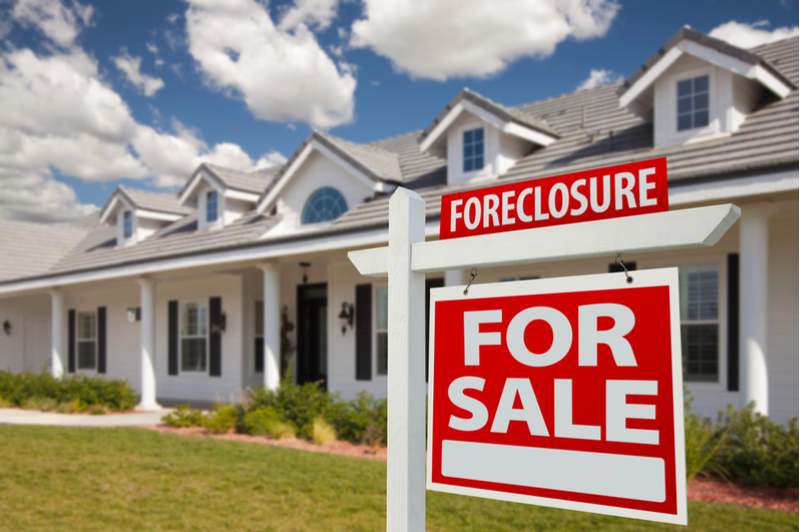
Investing in foreclosed properties can be a great way to generate profits, especially during a recession. Foreclosed properties are properties that have been taken back by the lender due to delinquent payments from the homeowner or other issues. These distressed properties can offer investors the opportunity to purchase them at a discounted price and then resell them for profit.
Investing in foreclosures can be a risky endeavor, but with proper research and planning it can also be lucrative. In this article, we will discuss the different stages of foreclosures, where to find foreclosed properties, and the pros and cons associated with foreclosure investing.
This article features several affiliate links, meaning we may receive a small affiliate commission if you purchase through these links.
Different Stages of Foreclosed Homes and Where to Find Them

Typically there are three stages of foreclosure and based on the stage the property is at, investors can look at certain places to find deals:
- Pre-foreclosure Stage
The pre-foreclosure period is a critical time for a homeowner who has defaulted on their mortgage payments. During this period, the lender will issue a Notice of Default to the homeowner, which notifies them that they are in default of their mortgage payments and that foreclosure proceedings may soon commence.
During this pre-foreclosure period, homeowners have several options available to them such as negotiating with the lender for a loan modification or refinancing their loan. They can also work with an attorney or housing counselor to explore other options such as short sale or deed in lieu of foreclosure. Homeowners need to understand their rights and take actions during this pre-foreclosure period to avoid losing their homes.
At the pre-foreclosure stage, investors can find these soon-to-default properties at:
- Public records at the local county and city courthouse
- MLS or online websites such as Foreclosure.com
- Real estate agents who specialize in foreclosed properties
- Sheriff’s Sale Auctions Stage
The Sheriff’s Sale Auction involves a public auction where the property in question is sold to the highest bidder. This auction is held by a sheriff or other court-appointed official, and it takes place after a homeowner has defaulted on their mortgage loan.
At the Sheriff’s Sale Auction, any interested bidders can participate and bid on the property. The highest bidder will then become the new owner of the property, once all legal formalities have been completed. If there are no bidders at this stage, then the home may be returned to its original owner or sold back to its lender.
Investors can find out about foreclosure auctions at:
- Local courthouse announcements
- Local newspapers and foreclosure websites
- Real estate agents who specialize in foreclosed properties
- Government agency websites including Fannie Mae, the Federal Housing Administration, Treasury Department, and Small Business Administration
- Real Estate Owned Property Stage
When properties do not sell at the foreclosure auctions, they revert to the lender, typically a bank or the government, becoming real estate-owned (REO) properties. For bank-owned properties, investors can contact the bank’s REO department for deals. For government-owned properties, investors must contact a government-registered broker who is working on behalf of the federal agency.
Here is a summarized list of places where investors can look for REO deals:
- Public records at the local country recorder’s office
- MLS or online websites such as RealtyTrac
- Local newspapers and publications
- Government agency websites including Federal Housing Administration (FHA) or Department of Veterans Affairs (VA)
- Government-registered broker
Is Investing in Foreclosures for You?

Investing in foreclosed properties can be a great way to get bargain properties. However, it is important to weigh the pros and cons of investing in foreclosed properties before taking the plunge.
On one hand, foreclosed properties are usually sold at a discount and investors can take advantage of this opportunity to purchase property at a lower price than the market value. In addition, the seller (the owner or the lender) is usually motivated to sell to get out of the difficult situation.
On the other hand, there are some risks associated with investing in foreclosed properties. These include the as-is condition of the property, potential major repairs that may be required, and any existing property liens that may be attached to the property. Any of the complications mentioned above could reveal hidden costs and make the deal less attractive.
Investing in foreclosed homes might not be easy as it seems with its associated risks. But with enough due diligence and specific exit strategies, investors can get winning deals in this niche market.
Foreclosure.com provides the best real estate deals for savvy homebuyers before they hit the market. By targeting distressed deals such as bank-owned homes, government foreclosures, preforeclosure listings, and foreclosure auctions, Foreclosure.com offers significant savings.
Disclaimer: The information and/or documents contained in this article does not constitute financial advice and is meant for educational and entertainment purposes only. Read our full disclaimer here.
Subscribe for our latest insight in investing and building financial freedom.
 The Passionate Investor
Leave a comment