
Why Invest in Art?
Art investing is an increasingly popular alternative asset class for investors. Art investing can be a great way to diversify investors’ portfolios and help them gain exposure to a unique alternative asset class – collectible investment.
One of the key benefits of investing in art is its ability to provide a hedge against inflation. Unlike traditional investments, the value of art is not tied to the performance of the stock market. Instead, the value of art is based on several factors including the artist’s reputation, the quality of the work, and the rarity of the piece. This means that even during times of economic uncertainty, art can hold its value and potentially appreciate over time.
Another advantage of investing in art is its potential for long-term growth. While some pieces may experience fluctuations in value, others can appreciate significantly over time. For example, in 2017, a painting by Leonardo da Vinci sold for a record-breaking $450 million. While this is an extreme example, it highlights the potential for significant returns on investment in the art market.

With art investing, investors can get access to rare works of art, limited edition prints, and other collectibles that have the potential for long-term appreciation and a hedge against market volatility and inflation risks.
How to Invest in Art?
There are many different types of art investments, from digital artwork investments to physical paintings. Additionally, investors may also consider investing in fine art investment funds or art shares offered by data-driven companies such as Masterworks. With the recent emergence of non-fungible tokens (NFTs), there are even more options for investors looking to diversify their portfolios with artwork investments. Here are a couple of ideas on how to begin investing in art:
- Art Funds or Fractional Shares
Companies such as YieldStreet offer funds including Art Equity Fund and Diversified Art Debt Portfolio. The Art Equity Fund, for example, allows investors to own a diversified portfolio of artworks by globally acclaimed contemporary artists including Jean-Michel Basquiat, Damien Hirst, Edward Ruscha, Lucio Fontana and Sol Lewitt.
In addition, online alternative investment platforms such as Maecenas and Masterworks allow investors to purchase fractional shares of blue-chip paintings without having to spend millions of dollars by owning fractional shares.
- Digitial Art
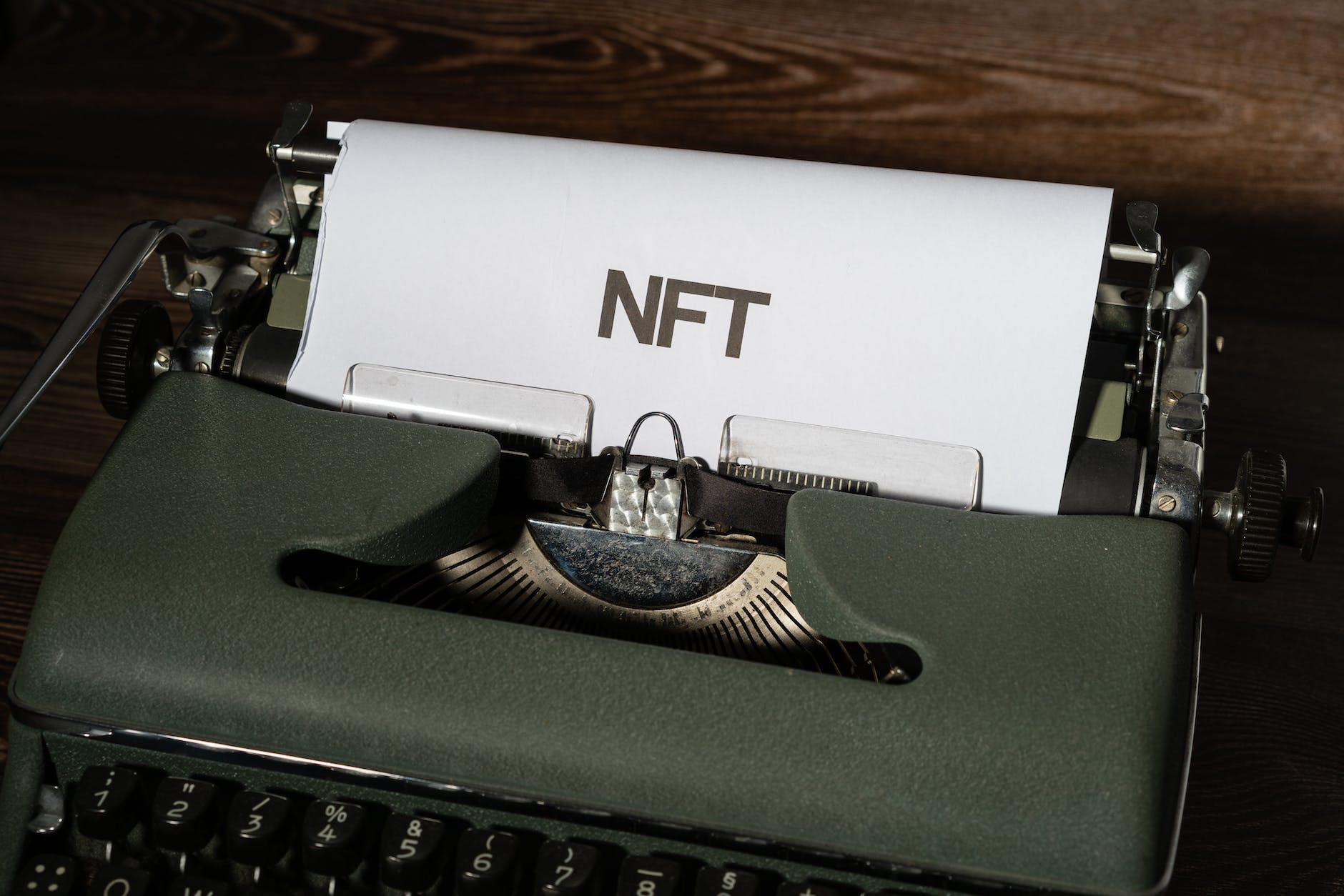
Digital art is experiencing a surge in popularity, particularly with the emergence of Non-Fungible Tokens (NFTs). NFTs are unique digital tokens that can be used to authenticate and trade digital artwork.
This new technology is making it easier than ever for artists to make money from their creations and for collectors to acquire rare pieces of digital art. As the digital art market continues to grow, so too does the potential for investors and collectors alike.
- Physical Paintings
Buying physical paintings are the old-fashioned ways of investing in art. From art dealers, auction houses, and art fairs, investors have access to a variety of physical pieces of artwork from different artists and genres.
Physical artwork can be a great investment as they often appreciate in value over time. Moreover, physical artwork can also bring joy to the owners as they appreciate its beauty and feel connected to the artist’s work.
What are the Risks Associated with Art Investing?
Investing in art does come with a certain level of risk. Art investments are often illiquid, meaning they cannot be converted to cash quickly. With platforms like Masterworks, investors can trade shares of art in the secondary market, although it might not be as liquid as the stock market.
In addition, prices for art can also be non-transparent and fluctuate with the market, making it difficult to assess the true value of artwork. Another risk is that art investments require a long holding period in order to realize any returns—typically three to ten years or more. Finally, insurance costs can be high for expensive works of art as they are prone to theft and damage.
Understanding these risks and examining your risk tolerance before diving into the idealized notion of art investing is crucial.
 The Passionate Investor
Leave a comment